

How Long Does Asphalt Take to Dry? A Complete Guide to Asphalt Drying and Curing
Asphalt is one of the most widely used paving materials in the world, and for good reason. It’s durable, cost-effective and can be laid quickly with minimal disruption. However, one of the most misunderstood parts of any asphalt project is what happens after the crew packs up and leaves. How long does asphalt take to dry? When can you drive on it? And what’s the difference between asphalt that has cooled and asphalt that has actually cured? These are questions that matter, because getting them wrong can cause real damage to a brand-new surface.
Asphalt Drying vs Asphalt Curing: What’s the Difference?
The terms drying and curing get used interchangeably all the time, but in the asphalt industry they refer to two distinct processes. Asphalt doesn’t dry the way paint does. It hardens as it cools, with the bitumen binder stiffening as temperature drops and the surface firming up in the process. That cooling phase can happen within hours of installation, depending on conditions.
Curing is a different process altogether. It’s driven by oxidation, where the asphalt mix is gradually hardened through ongoing exposure to air over an extended period. This is what builds the long-term strength of the pavement, and it can’t be rushed. A new asphalt surface might feel completely solid after a couple of days, but the asphalt curing process continues for months beneath the surface. Full asphalt curing time typically ranges from 6–12 months, with the exact timeframe depending on various factors, such as weather conditions, layer thickness and the asphalt mix used. Knowing this distinction is what separates a surface that lasts decades from one that needs repairs within the first year.
General Asphalt Drying Time: What to Expect
Every project is different, but there are reliable general timelines you can work to when planning around a new asphalt installation, assuming good weather conditions and proper installation:
Foot traffic: Most new asphalt surfaces can handle light foot traffic within 2 to 24 hours of installation, once the surface has cooled enough to walk on without leaving marks.
Light vehicle traffic: A new asphalt driveway is generally ready for light vehicles after 48 to 72 hours. Waiting the full three days before driving on it is always a smarter call.
Heavy vehicles: Heavy loads need to stay off new asphalt for at least 14 days. In warmer months, that window should be extended, as the surface takes longer to properly firm up.
Parking: Avoid parking on a new surface for at least 5 days. Stationary vehicles can leave permanent indentations in fresh asphalt, especially during warm weather.
Full cure: The asphalt curing process takes between 6 and 12 months to complete. Throughout this time, the surface continues to harden and gain strength through oxidation.
From a technical standpoint, once the surface cools below roughly 60 degrees Celsius, it can safely handle light traffic. The asphalt contractor keeps an eye on this during and after installation and confirms when it’s ready.
Factors Affecting Asphalt Drying and Curing Time
No two paving projects cure at exactly the same rate. Asphalt drying time is shaped by a combination of factors that interact with each other, and understanding them is key to planning a project properly and setting the right expectations.
Ambient Temperature
Temperature has a bigger influence on asphalt curing time than most people realise. The sweet spot for installation is between 21 and 27 degrees Celsius, where the material cools and cures at a manageable rate. Cold weather slows the process considerably and can double the asphalt drying time, which makes monitoring conditions during installation essential. In hotter weather, the surface can stay soft and pliable for longer than expected, leaving it vulnerable to surface damage from vehicle traffic or tight turns during that period.
Humidity and Rainy Weather
Humidity above 50% slows evaporation and adds time to the asphalt drying process. Rainy weather is a more serious problem altogether. Water hitting fresh asphalt can wash away binders before they’ve had a chance to set, disrupt bonding between layers and introduce surface flaws that eventually develop into cracks. Rain does speed up cooling, but that faster cooling often compromises the structural integrity of the pavement. This is why a professional asphalt contractor will always plan installation around the forecast and avoid laying asphalt when rain is likely.
Asphalt Thickness and Layer Depth
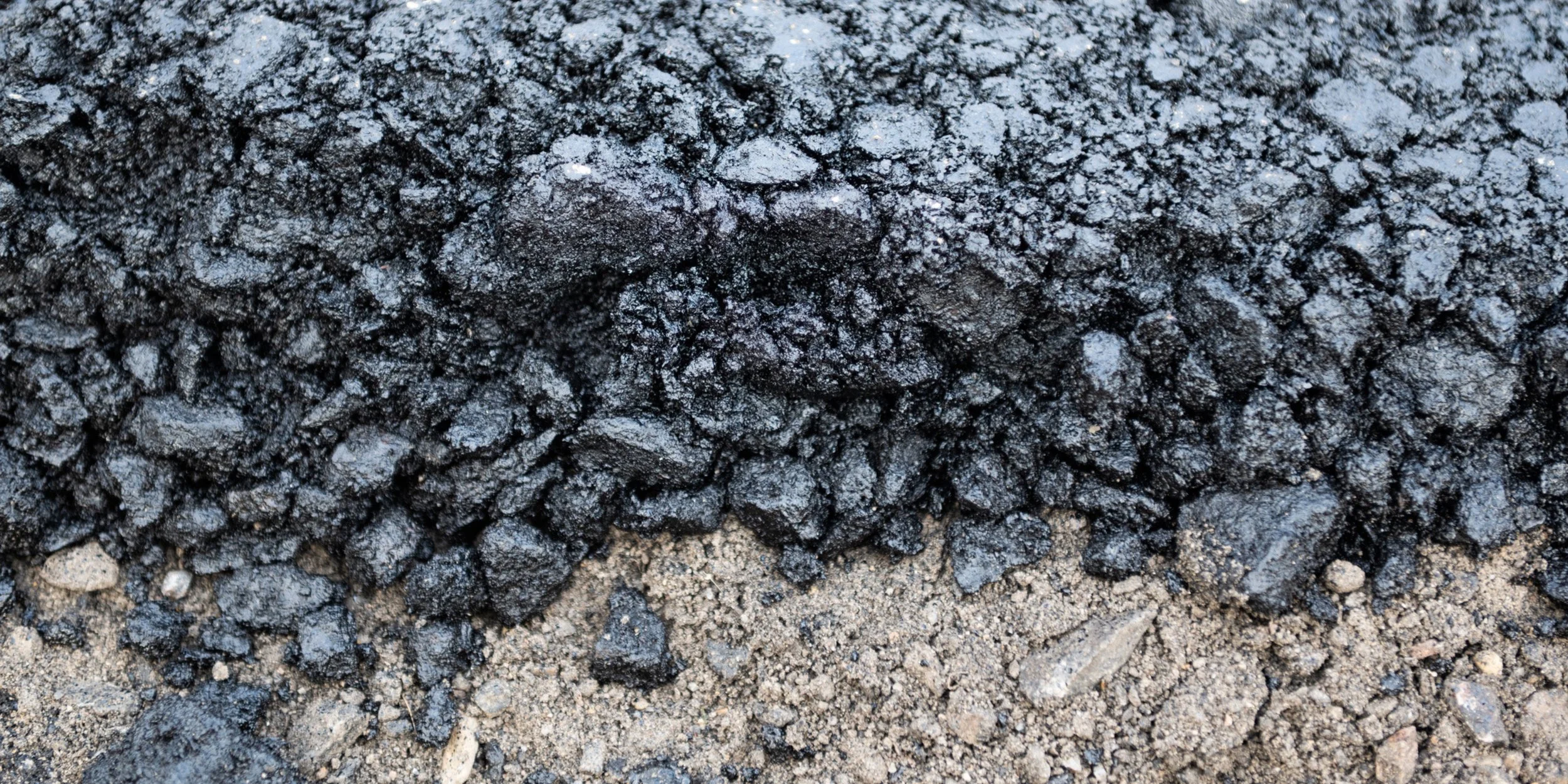
Asphalt thickness plays a direct role in how long a surface takes to cool and cure. Thicker layers hold heat for far longer than thinner ones. A 75mm asphalt layer can take up to four times as long to cool as a 38mm layer, which is a significant difference when you’re working out project timelines. The right layer depth depends on what the surface needs to handle. Your contractor will specify an asphalt thickness that suits the intended use of the pavement, whether that’s a residential driveway or a high-traffic commercial car park.
Asphalt Mix Type
Different asphalt mixes cure at different rates. Hot mix asphalt is the standard choice for most driveways and roads, and it sets the fastest, hardening as it cools from its high production temperature. Warm mix asphalt is produced at lower temperatures and cools slightly faster as a result. Cold mix asphalt is primarily used as a patching material in Australia rather than for full pavement installations. It relies on evaporation rather than cooling to cure, and can take weeks to fully set. Denser mixes also take longer to cure than less dense alternatives, and the bitumen content influences how the oxidation process develops over time.
Base Preparation and Compaction
What’s underneath the asphalt matters just as much as the asphalt itself. A sturdy base that’s properly prepared and drained gives the material the best possible foundation for curing evenly. Moisture trapped under the surface due to a wet or poorly prepared base can extend drying times and weaken the bond between layers. Good compaction is equally important. It achieves the density and stability the finished surface needs to perform well long-term. Poor compaction leaves voids that interfere with curing and set the surface up for early deterioration.
Sunlight and Wind
Both sunlight and wind work in favour of faster curing. Direct sunlight speeds up the oxidation of petroleum oils in asphalt, which is what hardens the surface over time. A gentle breeze helps by pushing humid air away from the surface and encouraging evaporation. When you combine warm temperatures, sunshine and a light wind, you get close to ideal curing conditions. Overcast, still and humid days have the opposite effect and can add meaningful time to the process.
How to Look After New Asphalt During the Curing Process
The curing period is when a new asphalt surface is at its most vulnerable. Even once it feels solid, the material is still hardening underneath, and how it’s treated during this time has a direct impact on its long-term performance. These are the key things to keep on top of:
Avoid heavy loads: Heavy vehicles, plant equipment and skip bins should stay off the surface for a minimum of 14 days. The concentrated weight can leave permanent impressions in fresh asphalt, particularly in warm conditions.
No tight turns: Tight turning movements on new pavement should be avoided, especially on a new asphalt driveway. The lateral force from steering puts stress on the surface before it’s ready to handle it.
Keep the surface clear: Leaves, debris and standing water should be cleared from the new surface regularly. Moisture sitting on fresh asphalt during the curing period can cause staining and surface damage.
Be mindful in hot weather: Soft asphalt remains susceptible to impressions from stationary loads during the first summer, even after the initial curing window has passed.
What Happens If You Use the Surface Too Soon?
Using a new asphalt surface before it’s ready is one of the most preventable causes of asphalt repairs, and one of the most common. When vehicles are allowed onto fresh asphalt too early, the tyres leave marks, ruts form and the surface becomes uneven. These aren’t just cosmetic issues. They compromise the structural integrity of the asphalt layer and can be expensive to fix, particularly if the damage runs deeper than the surface.
Heavy loads do the most damage because the pressure they put on a partially cured surface far exceeds what it can withstand at that stage. This is a particular risk on construction sites where plant and delivery vehicles need access. At Elite Roads, we plan for this from the start, working with clients to stage access and communicate clearly about when different parts of a new surface are ready for use.
Why Working with a Professional Asphalt Contractor Matters
The curing process starts the moment asphalt leaves the truck, and every decision made during installation affects how it plays out. A professional asphalt contractor brings the knowledge to get those decisions right, from reading weather conditions and selecting the appropriate asphalt mix to ensuring the base is properly prepared and compaction is done correctly. These aren’t small details. They’re the difference between a surface that performs well for decades and one that starts showing problems within a couple of years.
At Elite Roads, we work with clients across a broad range of projects and pride ourselves on the quality of what we deliver. Every job comes with clear advice on how to look after the new surface during the curing period, including what to watch for during the first summer and how to manage access in the weeks after installation. That kind of support doesn’t stop when the rollers leave the site.
A well-installed, well-maintained asphalt surface can last for decades. Getting the curing phase right is a big part of making that happen, and it starts with choosing the right contractor for the job.