

Why Is Asphalt Used for Roads?

Asphalt dominates road construction across Australia and around the world, as it's known for being cost effective, durable and efficient to install. That distinctive black surface you see on nearly every street and highway is asphalt, and its prevalence in modern infrastructure is no accident.
At Elite Roads, we've built our reputation on delivering quality asphalt solutions across Victoria. The material's combination of strength, flexibility and value makes it the practical choice for everything from residential streets to major highways. Let's explore what makes asphalt the go-to material for road construction.
Understanding Asphalt
Asphalt is a composite material combining aggregate (crushed stone, gravel and sand) with bitumen, a binding agent derived from crude oil. The bitumen holds the aggregate together, creating a durable surface capable of withstanding constant traffic loads and environmental stress.
The typical asphalt mixture consists of approximately 95% aggregate by weight and 5% bitumen. The aggregate provides structural strength and stability, whilst the bitumen acts as a waterproof binder that holds everything together. Different aggregate sizes are carefully graded and combined to minimise empty spaces and maximise density, resulting in a stronger and more durable road surface.
The versatility of asphalt mixtures is what makes the material so practical. By adjusting aggregate proportions, bitumen content and additives, engineers can tailor asphalt mixes to specific applications and performance requirements. For example, dense-graded mixes work well for high-traffic roads, whilst open-graded mixes provide excellent drainage for wet climate areas. At Elite Roads, we select our asphalt mixtures based on intended use, expected traffic load and local climate conditions, to ensure each project delivers optimal performance and longevity.
The Advantages of Roads Made of Asphalt:
1) Cost Efficiency and Speed of Installation
When you compare asphalt to concrete and other paving materials, one of the biggest advantages is how much faster and more affordable it is to install. Asphalt is generally cheaper upfront, and it can often be opened to traffic within hours of the job being finished. Concrete, on the other hand, needs time to cure properly before it can handle vehicles, which usually means longer closures and more disruption.
The cost benefits don't stop after the first build either. Asphalt can be laid in layers, which means roads can be built in stages as budgets allow. This is especially helpful for projects where funding is limited, or where works need to be spread across multiple years. Asphalt paving also tends to require less specialised equipment and smaller crews than concrete, which helps keep labour costs down.
The time it takes for a job to be completed is also really important. The longer a road is closed, the more it impacts the community and motorists. Residents get stuck in detours, traffic backs up and businesses can lose customers simply because access is harder. At Elite Roads, keeping downtime to a minimum is a priority and it's at the forefront of how we approach every job. Being able to lay asphalt quickly and efficiently helps us deliver projects on time, without compromising on quality. For urgent repairs or roads that support essential services, asphalt's fast turnaround is often the clear winner.
2) Superior Flexibility and Adaptability
Unlike concrete which is rigid, asphalt can flex and move slightly when the ground shifts or settles. This flexibility is really valuable in areas where soil conditions aren't consistent, or where you get freeze-thaw cycles. It means roads last longer and you don't need as many major repairs.
When heavy vehicles drive over asphalt, the surface spreads that weight evenly across the whole road base, rather than putting all the stress in one spot. This helps avoid the kind of major failures you sometimes see with rigid materials that can't move with ground conditions.
3) Weather Performance and Safety Features
In colder parts of the country, asphalt's dark colour actually improves safety. It absorbs heat from the sun, which means snow and ice melt faster than they would on lighter-coloured roads. This natural melting cuts down on the need for chemical de-icers and makes roads safer in winter.
Asphalt is also good at handling water. When roads are designed properly, they have a slight raise down the middle (called crowning) and drainage systems that move water off the surface quickly. This reduces hydroplaning risks and helps the road last longer. In really wet areas, porous asphalt is sometimes used, as that lets water drain straight through.
The dark surface also gives you great contrast with white and yellow road markings, so lanes are easy to see no matter what the lighting is like, which is especially handy at night or in bad weather. Smooth asphalt is also quieter than rougher materials, making it more pleasant for both drivers and anyone living near the road.
Warm Mix Asphalt Technology
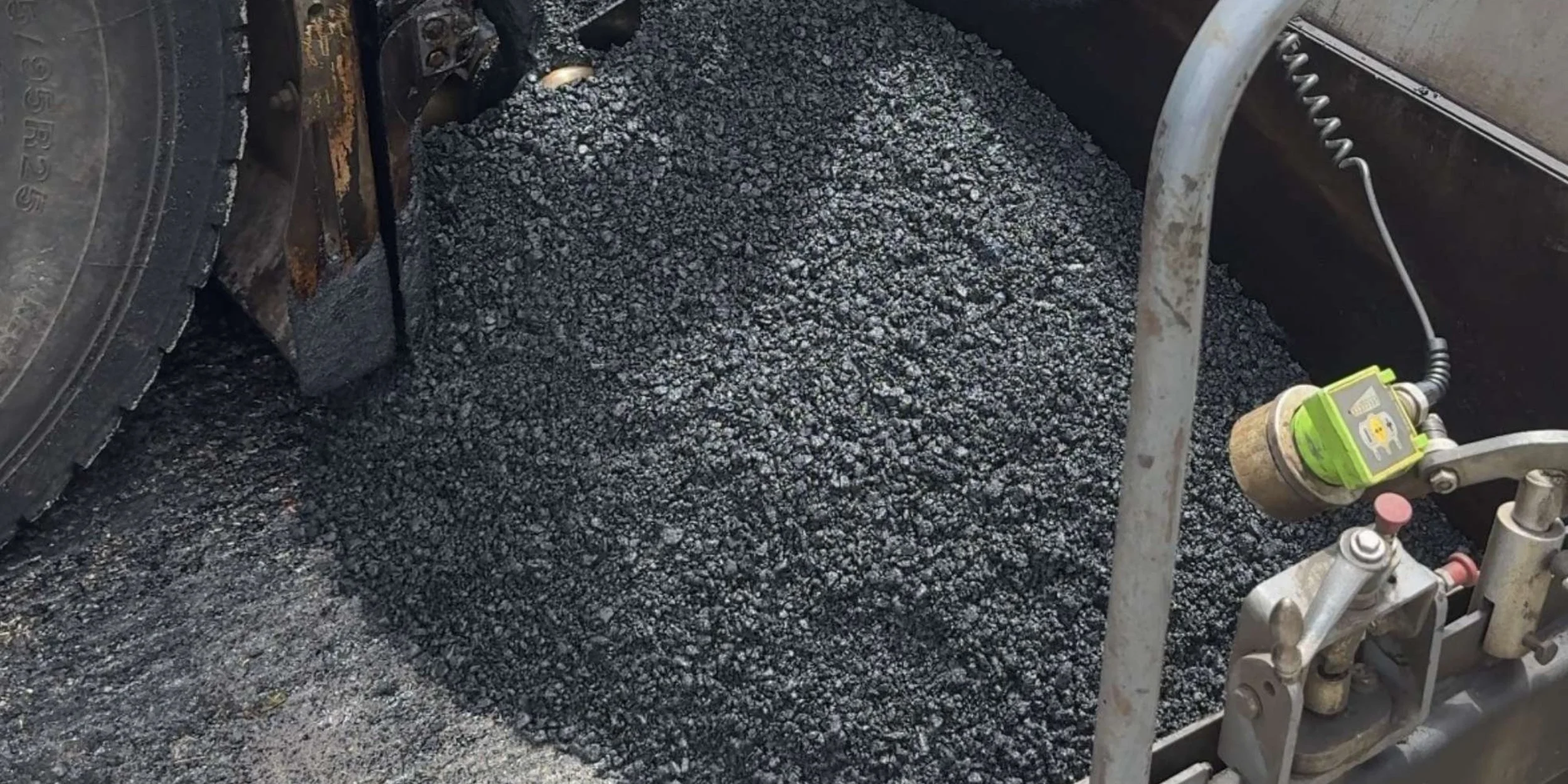
The asphalt industry has come a long way with warm mix asphalt. Traditional hot mix asphalt needs to be heated to very high temperatures before it can be laid, which uses a lot of fuel and creates emissions. Warm mix asphalt works at temperatures 20-40 degrees cooler, making it more efficient.
Lower temperatures mean less fuel burned, fewer emissions released and better working conditions for the crews on site. At Elite Roads, we've adopted warm mix technology because it lets us build more sustainably without compromising on the quality or durability of the finished road. Sustainability is one of our core values, and we're committed to using methods that reduce our environmental impact.
Polymer Modified Asphalt
For roads that handle heavy traffic or tough conditions, polymer modified asphalt is a step up from standard mixes. Adding polymers to the asphalt makes it more resistant to rutting (those grooves that form from heavy vehicles), cracking and general wear and tear. These upgraded mixes perform exceptionally well in demanding environments, like busy main roads or industrial areas, where trucks are constantly passing through.
We use polymer modified asphalt when the extra performance justifies the cost. These materials last longer and require less maintenance, which often makes them the smarter choice in the long run.
Environmental Considerations and Sustainability
The Recyclable Nature of Asphalt
Asphalt can be recycled and reused, which is a major advantage. Old roads get milled up and turned into what's called "reclaimed asphalt pavement", or RAP. This recycled material goes straight back into new road mixes, which means less need for brand new materials and less waste heading to landfill.
The process is pretty straightforward. Milling machines strip off the old surface, then it gets crushed and sorted by size. This RAP replaces some of the fresh aggregate and bitumen in new batches. Modern plants can use over 50% recycled content and still get the same performance as using all-new materials.
At Elite Roads, we prioritise using recycled materials wherever possible. Asphalt is actually one of the most recycled materials in Australia, with better recovery rates than most other recyclables. This saves money and helps the environment at the same time.
Reducing Environmental Impact
Modern methods for making asphalt focus on reducing environmental impact. Beyond warm mix technology, the industry has worked out how to use waste materials like old asphalt and certain industrial by-products in new roads. Some mixes can even include small amounts of waste engine oil or other recycled materials, giving them a second life instead of ending up in landfill.
There's ongoing research into greener options that cut the carbon footprint of road building while maintaining performance standards. These developments help meet sustainability goals without compromising on the quality and longevity roads need.
Maintenance and Long-Term Value
Cost-Effective Upkeep
When an asphalt road starts showing its age, repairs are usually quick and affordable. Unlike concrete where you often have to rip out and replace whole slabs, asphalt repairs can be targeted. Small cracks get sealed, worn bits get overlaid and damaged spots get patched, all without tearing up the whole road.
For councils and property owners looking after big road networks, this flexibility saves a lot of money over time. Regular maintenance catches problems while they're still small, which helps the road last longer.
Service Life and Performance
When you design, build and look after asphalt roads properly, they can easily last decades. The key is getting the construction right from the start, keeping up with regular maintenance and fixing issues before they get out of hand. Elite Roads works with clients to create management plans that get the most value from their road investment.
Asphalt handles heavy traffic really well. Well-built roads spread the weight evenly, which stops grooves forming and prevents deformation. This toughness under heavy loads makes asphalt perfect for everything from quiet residential streets right through to major freight routes.
Comparing Asphalt with Other Road Materials:
The Disadvantages of Using Asphalt
While asphalt has many benefits, it's worth understanding its limitations. Asphalt is softer than concrete, so it can deform under extremely heavy weight or when it gets very hot. In areas with frequent heavy truck traffic and high temperatures, you might see ruts or grooves develop over time.
Asphalt also needs more frequent maintenance than concrete. The upside is that this maintenance is usually fast and affordable, but it does need to happen regularly. Surface treatments like seal coating, for example, should be done every few years to protect the road against water damage and UV exposure.
Temperature plays a significant role too. Asphalt can become soft in extreme heat and brittle when it's very cold. That said, modern mixes and good design address most of these issues in Australian conditions.
Despite these downsides, asphalt's benefits still outweigh its limitations for most applications. Success comes down to good design, quality construction and regular upkeep.
Asphalt vs Concrete
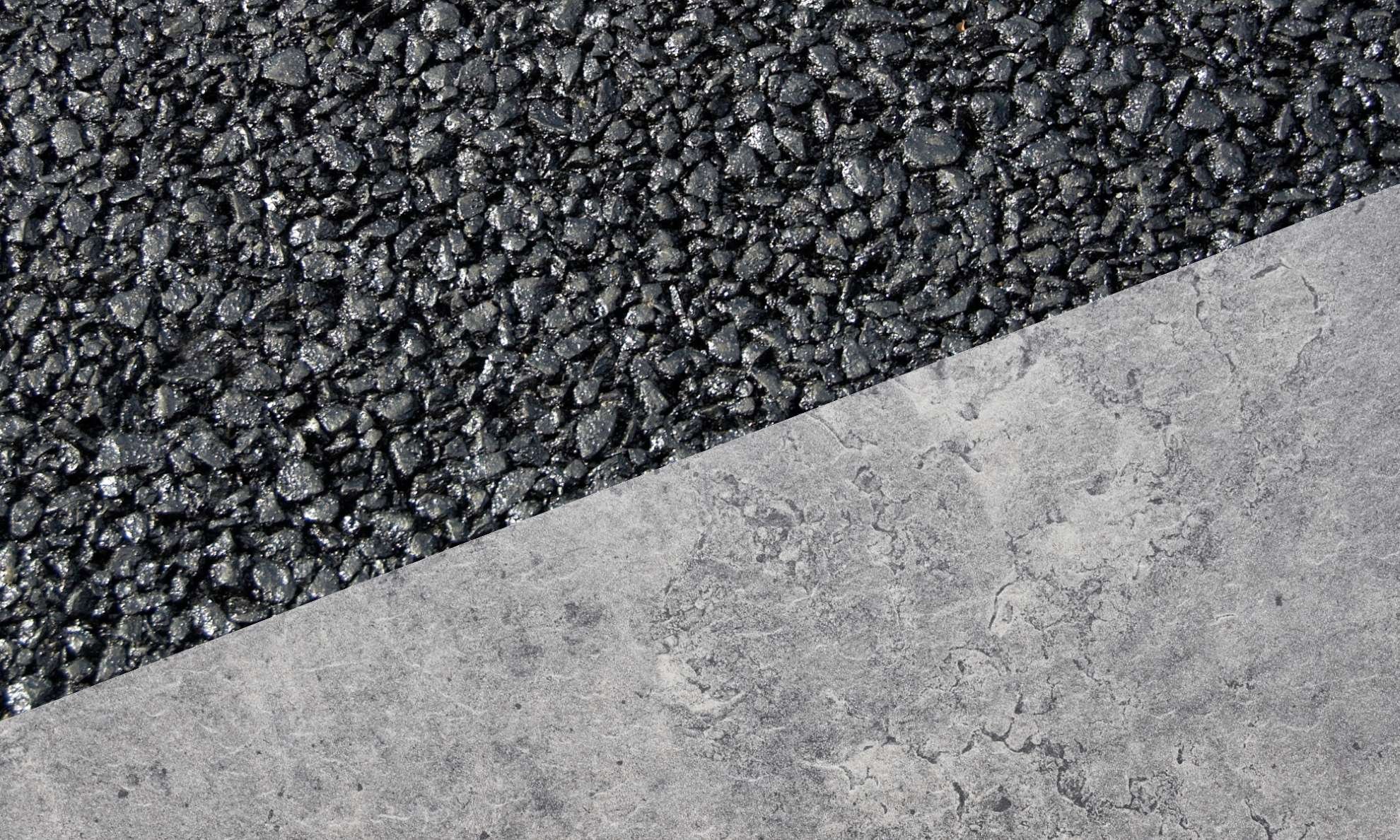
Both materials have their place, but asphalt comes out on top for most Australian roads. Compared to concrete, asphalt gives you a smoother, quieter ride. Because it's flexible, it's less likely to crack when the ground shifts or when materials expand and contract with temperature changes.
The cost difference is pretty significant too. Asphalt is usually 25-50% cheaper to lay than concrete, and repairs are much quicker with less hassle. When concrete needs fixing, you're often looking at removing and replacing whole slabs—expensive and time-consuming. With asphalt, you can target just the problem spots and have it done in hours.
While concrete can last longer initially in some situations, when you look at total costs over a road's lifetime, asphalt often works out better once you factor in those higher upfront costs, longer build times and trickier repairs. For most roads in Australia, asphalt hits the sweet spot between performance, cost and practicality.
What Are Australian Roads Made Of?
The vast majority of Australian roads are asphalt. Industry estimates suggest over 80% of Australia's sealed roads use asphalt surfaces, from suburban streets and main routes in cities and towns to regional and country highways. It's chosen because it's cost effective, handles varying traffic levels well and copes with Australia's diverse climate, from tropical north to temperate south.
Concrete gets used selectively for heavy-duty applications like major freeway intersections, truck stops and areas with extremely heavy vehicle traffic, but asphalt remains the preferred choice across the country.
The Elite Roads Approach to Asphalt Construction
Quality road work starts well before the first load of asphalt hits the ground. We combine thorough site preparation, careful material selection, precise laying techniques and strict quality control to deliver roads that perform reliably for years.
We work with leading asphalt plants across Victoria to source materials that meet our high standards. Whether it's standard hot mix, specialised warm mix or advanced polymer modified asphalt, we ensure every component is right for the job and the final mix suits its intended use.
Our crews understand that laying asphalt requires both technical knowledge and hands-on experience. Getting the compaction right, maintaining correct temperatures and paying attention to the details is what delivers a durable, long-lasting surface. We invest in ongoing training and equipment to maintain high standards in road construction.
Why Choose Elite Roads
Whether you're a council planning infrastructure upgrades, a developer preparing a new subdivision or a business needing quality road work, Elite Roads has the experience and expertise to deliver. Get in touch with our team to discuss your road construction needs and discover why asphalt remains the smart choice for Victorian roads.
